Intex Saltwater System Manual: A Comprehensive Guide
Recent online discussions from 2015-2026 highlight Intex products‚ including airbeds (66724‚ 66725‚ 68799) and related user experiences․
Intex Saltwater Systems represent a modern leap in pool sanitation‚ offering a compelling alternative to traditional chlorine methods․ Recent online conversations‚ spanning from 2015 to 2026‚ while focused on diverse Intex products like airbeds (models 66724‚ 66725‚ and 68799)‚ indirectly demonstrate the brand’s commitment to innovative solutions․
These systems generate chlorine naturally through electrolysis of salt dissolved in your pool water․ This process provides consistently clean and healthy water‚ minimizing the harsh chemical odors and potential irritations associated with conventional chlorine tablets or liquid shock․ Understanding the core principles of these systems is crucial for optimal performance and longevity‚ as evidenced by user discussions regarding product durability and maintenance․
Understanding Saltwater Chlorination
Saltwater chlorination isn’t about swimming in saltwater; it’s a method of chlorine generation․ A low concentration of salt (typically around 3000-4000 ppm) is added to the pool water․ The Intex Saltwater System’s salt cell then uses electrolysis to convert this salt into chlorine․ This process creates hypochlorous acid‚ the same sanitizing agent produced by traditional chlorine methods‚ but in a gentler‚ more consistent manner․
Online discussions from 2015-2026‚ though primarily about Intex airbeds‚ highlight a broader consumer interest in Intex’s technological advancements․ The system continuously regenerates chlorine‚ reducing the need for manual additions․ This automated process ensures a stable chlorine level‚ minimizing fluctuations and maximizing sanitation efficiency‚ offering a smoother pool experience․
Benefits of Intex Saltwater Systems
Intex Saltwater Systems offer several advantages over traditional chlorine methods․ The generated chlorine is gentler on skin and eyes‚ reducing irritation – a common complaint with traditional chlorine․ The consistent chlorine production minimizes fluctuations‚ leading to more reliable sanitation and a more enjoyable swimming experience․ Furthermore‚ these systems reduce the need to purchase‚ handle‚ and store harsh chlorine chemicals․
While recent online discussions (2015-2026) focus on Intex airbeds‚ they demonstrate a brand reputation for user-friendly products․ Saltwater systems simplify pool maintenance‚ automating a crucial aspect of pool care․ This automation frees up pool owners’ time and effort‚ allowing them to enjoy their pool rather than constantly managing its chemistry․
Cost Savings with Saltwater Systems
Intex Saltwater Systems‚ while requiring an initial investment‚ often lead to long-term cost savings․ Eliminating the recurring expense of purchasing chlorine tablets or liquid chlorine is a significant benefit․ Salt is considerably cheaper than traditional chlorine sanitizers‚ and a single salt addition can last for an extended period․
Recent online discussions (2015-2026)‚ though centered on Intex airbeds‚ suggest a consumer base valuing practicality and value․ Reduced chemical usage also translates to less wear and tear on pool equipment‚ potentially lowering repair and replacement costs․ While discussions don’t directly address system costs‚ the overall Intex brand perception hints at affordability and lasting value for the consumer․
Reduced Skin and Eye Irritation
Intex Saltwater Systems generate chlorine through the electrolysis of salt‚ creating a softer‚ more natural feel to the pool water․ Unlike traditional chlorine‚ which contains harsh chemicals and byproducts‚ saltwater-generated chlorine is gentler on the skin and eyes․ This reduction in harsh chemicals minimizes irritation‚ redness‚ and dryness commonly associated with traditionally chlorinated pools․
While online discussions (2015-2026) primarily focus on Intex airbeds and related products‚ they demonstrate a consumer focus on comfort and well-being․ The softer water produced by saltwater systems contributes to a more enjoyable swimming experience‚ particularly beneficial for individuals with sensitive skin or allergies․ This aligns with a general consumer desire for products that enhance comfort and quality of life․
Easier Pool Maintenance
Intex Saltwater Systems significantly streamline pool maintenance compared to traditional chlorine methods․ The automated chlorine generation reduces the need for frequent manual chlorine additions‚ shocking‚ and algaecide treatments․ This automation frees up pool owners’ time and effort‚ simplifying the overall maintenance routine․

Although recent online conversations (2015-2026) largely center around Intex inflatable products and unrelated news events‚ they reflect a broader consumer preference for convenience and ease of use․ Saltwater systems align with this trend by minimizing the hands-on work required to maintain a clean and healthy pool․ Regular monitoring of salt levels and occasional cell cleaning are the primary maintenance tasks‚ offering a less demanding approach․
Intex Saltwater System Components
An Intex Saltwater System typically includes several key components working in harmony․ The core is the salt cell‚ where saltwater is converted into chlorine․ A control panel manages the system’s operation‚ allowing users to adjust chlorine output and monitor performance․ A separate power supply provides the necessary electricity․
While recent online discussions (2015-2026) predominantly focus on unrelated topics like Intex airbeds (models 66724‚ 66725‚ 68799) and current events‚ understanding these components is crucial․ Proper installation and functionality of each part are essential for efficient operation․ Additional components may include flow sensors and connectors‚ ensuring seamless integration with your pool’s existing plumbing․ Familiarizing yourself with each element ensures effective troubleshooting and maintenance․
Salt Cell Explained

The salt cell is the heart of your Intex Saltwater System‚ responsible for converting dissolved salt (sodium chloride) into chlorine through a process called electrolysis․ This happens within the cell’s titanium plates‚ coated with precious metals․ As saltwater flows over these plates‚ chlorine gas is produced‚ which then dissolves into the pool water‚ sanitizing it․
Interestingly‚ recent online chatter (2015-2026) centers around Intex airbeds and unrelated news‚ but the salt cell’s function remains consistent․ Regular inspection and cleaning are vital; calcium buildup can reduce efficiency․ The cell’s lifespan depends on usage and water chemistry‚ but proper maintenance extends its life․ Understanding this component is key to a sparkling‚ sanitized pool․

Control Panel Overview
The Intex Saltwater System’s control panel serves as your command center‚ displaying crucial information and allowing you to adjust settings․ Typically‚ you’ll find a digital display showing chlorine output percentage‚ cell status‚ and diagnostic messages․ Buttons enable you to increase or decrease chlorine production‚ initiating a super-chlorination cycle when needed․
While recent online discussions (2015-2026) largely focus on unrelated topics like Intex airbeds and current events‚ the control panel’s functionality remains constant․ Familiarize yourself with the panel’s features to optimize performance․ Pay attention to error codes‚ as they indicate potential issues․ A well-understood control panel ensures efficient and effective pool sanitation․
Power Supply and Connections
The Intex Saltwater System requires a dedicated‚ grounded electrical circuit to operate safely and efficiently․ Ensure the voltage matches the system’s specifications – typically 110-120V․ The power supply transforms standard voltage into the lower voltage needed by the salt cell․ Connections must be secure and protected from the elements․
Although recent online chatter (2015-2026) centers on diverse subjects like political news and car purchases‚ proper electrical connections are paramount․ Always disconnect power before performing any maintenance․ Incorrect wiring can damage the system and pose a safety hazard․ Consult a qualified electrician if you’re unsure about any aspect of the power supply or connections․
Installation Guide for Intex Saltwater Systems
Proper installation is crucial for optimal performance and longevity of your Intex Saltwater System․ Begin by selecting a location near the pool’s pump and filter‚ ensuring adequate ventilation․ The system should be mounted securely on a stable surface‚ protected from direct sunlight and extreme temperatures․
Plumbing connections require careful attention to detail‚ utilizing appropriate fittings and sealant to prevent leaks․ While online discussions (2015-2026) range from airbed comfort to political events‚ a secure installation is key․ Always follow the manufacturer’s instructions precisely․ Incorrect installation can void the warranty and lead to system malfunction․ Double-check all connections before powering on the system․
Initial System Setup
After installation‚ the initial setup requires careful attention to detail․ Begin by filling your pool to the appropriate level‚ as the system relies on sufficient water volume for proper operation․ Next‚ add the required amount of pool salt‚ following the manufacturer’s recommendations precisely․
Circulate the water for at least 24 hours to ensure the salt dissolves completely․ Online discussions (spanning 2015-2026‚ covering diverse topics) don’t detail this process‚ but it’s vital․ Then‚ power on the system and allow it to initialize․ Monitor the control panel for any error messages․ Adjust the system settings according to your pool size and desired chlorine output․ Regular monitoring is key to a balanced pool․
Salt Level Adjustment
Maintaining the correct salt level is crucial for optimal performance․ The ideal range‚ typically between 2700-3900 ppm‚ ensures efficient chlorine generation․ Use a reliable salt test kit to measure the current level․ If the reading is low‚ gradually add pool salt‚ following the system’s manual for precise calculations․
Avoid adding salt directly to the skimmer‚ as this can damage the salt cell․ Instead‚ distribute it evenly across the pool surface and allow it to dissolve with circulation․ Online mentions (from 2015-2026‚ unrelated to pool specifics) emphasize careful attention to detail․ Conversely‚ if the salt level is too high‚ partially drain and refill the pool with fresh water․ Consistent monitoring prevents issues․
Water Chemistry Balancing
Maintaining balanced water chemistry is paramount when using an Intex saltwater system․ Regularly test pH‚ alkalinity‚ calcium hardness‚ and stabilizer (cyanuric acid) levels․ Ideal pH should be between 7․2 and 7․8‚ and alkalinity between 80-120 ppm․ Proper calcium hardness prevents scaling‚ while stabilizer protects chlorine from sunlight degradation․
Adjust these levels using appropriate pool chemicals‚ following manufacturer instructions carefully․ Online discussions (spanning 2015-2026‚ unrelated to pool chemistry) highlight the importance of precision․ Imbalanced water can damage the salt cell and reduce system efficiency․ Consistent monitoring and adjustments ensure a safe‚ clean‚ and enjoyable swimming experience‚ maximizing the benefits of your saltwater system․
Troubleshooting Common Issues
Several issues can arise with Intex saltwater systems‚ but many are easily resolved․ Low salt readings often indicate insufficient salt levels – verify and adjust accordingly․ High chlorine output might stem from excessive salt or a malfunctioning control panel․ Regularly inspect the salt cell for scaling; cleaning is crucial for optimal performance․
Online discussions (from 2015-2026‚ unrelated to pool systems) emphasize problem-solving․ If the system isn’t producing chlorine‚ check the power supply and connections․ Remember safety first! Always disconnect power before inspecting components․ Consistent monitoring and prompt attention to these common problems will ensure your Intex saltwater system operates efficiently and provides years of reliable service․
Low Salt Reading Solutions
A low salt reading on your Intex saltwater system typically signals insufficient salt concentration in the pool water․ First‚ verify the reading with a reliable salt test kit – digital meters are recommended for accuracy․ If confirmed‚ gradually add pool salt‚ following the manufacturer’s guidelines for your pool’s volume․ Avoid adding excessive amounts at once․
Ensure proper water circulation to distribute the salt evenly․ Recent online discussions (2015-2026‚ unrelated to pools) highlight the importance of careful additions․ Check for any salt loss due to backwashing or water dilution from heavy rainfall․ Regularly monitor salt levels to prevent fluctuations and maintain optimal chlorine generation․ Consistent checks are key!
High Chlorine Output Problems
Experiencing excessively high chlorine levels with your Intex saltwater system can cause irritation and damage pool surfaces․ Initially‚ reduce the system’s output percentage on the control panel․ Monitor chlorine levels frequently using a reliable test kit – aim for 1-3 ppm․ Ensure proper water circulation to dissipate excess chlorine․
Investigate potential causes like high salt concentration‚ as this accelerates chlorine production․ Recent online discussions (2015-2026‚ unrelated to pools) emphasize careful monitoring․ Verify the salt cell isn’t scaled or fouled‚ hindering efficient chlorine conversion․ If issues persist‚ consult a pool professional for a thorough system diagnosis and potential adjustments․
Salt Cell Cleaning Procedures
Regular cleaning of the salt cell is crucial for optimal performance of your Intex saltwater system․ Begin by turning off the system and disconnecting the power supply․ Remove the salt cell following the manufacturer’s instructions․ Inspect for scale buildup – a white‚ chalky residue․

Prepare a cleaning solution of muriatic acid and water (follow safety guidelines!)․ Submerge the cell in the solution for 15-20 minutes‚ avoiding prolonged exposure․ Rinse thoroughly with clean water․ Reinstall the cell‚ ensuring proper connections․ Online discussions (2015-2026‚ unrelated to pools) highlight the importance of preventative maintenance․ Frequency depends on water hardness; typically every 3-6 months․
Winterizing Your Intex Saltwater System
Proper winterization protects your Intex saltwater system from freeze damage․ First‚ reduce the pool water level below the skimmer․ Completely drain the pump‚ filter‚ and salt cell housing․ Remove the salt cell and store it indoors‚ submerged in a bucket of pool water to prevent drying․

Disconnect all electrical connections and store the control panel indoors․ Blow out the plumbing lines with an air compressor to remove any remaining water․ Cover the system with a winter cover․ Recent online discussions (2015-2026‚ unrelated to pools) emphasize careful storage․ Remember to balance water chemistry before closing for the season․
System Shutdown Steps
Before shutting down your Intex saltwater system‚ turn off the power at the breaker․ Allow the pump to run until all water has cleared from the lines․ Then‚ turn off the pump and filter; Disconnect the power supply from the control panel․ Remove the salt cell carefully‚ rinsing it with fresh water․ Store the cell submerged in a bucket of pool water to maintain its integrity․
Drain the filter tank completely․ Cover the pump and filter with protective covers․ Online discussions (2015-2026‚ unrelated to pools) highlight the importance of secure storage․ Ensure all connections are dry before storing components indoors‚ protecting them from freezing temperatures․
Salt Cell Storage Recommendations
Proper storage is crucial for extending the life of your Intex saltwater system’s salt cell․ After rinsing with fresh water‚ submerge the cell completely in a bucket filled with pool water – never store it dry! This prevents the formation of scale and maintains the cell’s internal moisture․ Store the bucket in a temperature-controlled environment‚ avoiding freezing conditions․
Online discussions (spanning 2015-2026‚ unrelated to pool maintenance) emphasize secure storage practices․ Protect the cell from direct sunlight and physical damage․ Do not store it with other chemicals․ Before reinstalling in the spring‚ inspect the cell for any signs of corrosion or damage․
Preparing the Control Panel for Winter
Before winterizing‚ disconnect the power supply to the Intex saltwater system control panel․ Thoroughly clean the exterior with a damp cloth‚ removing any dirt or debris․ Detach the control panel from the salt cell and power supply‚ storing them indoors in a dry location․ Protect the panel from moisture and extreme temperatures․
Recent online conversations (from 2015-2026‚ unrelated to pool systems) highlight the importance of safeguarding electronics․ Consider covering the control panel with a protective bag or wrap․ Do not store it directly on the ground․ Inspect the cables for damage before storing․ Proper preparation ensures optimal performance when restarting the system in the spring․
Maintenance Schedule for Optimal Performance
For peak efficiency‚ implement a regular maintenance schedule․ Check salt levels monthly‚ adjusting as needed to maintain the recommended range (typically 2700-3900 ppm)․ Inspect the salt cell every three months for scale buildup‚ cleaning it if necessary․ Monitor water chemistry weekly‚ balancing pH‚ alkalinity‚ and calcium hardness․
Online discussions (spanning 2015-2026‚ unrelated to pool maintenance) emphasize consistent upkeep․ A proactive approach prevents issues․ Record all maintenance activities for future reference․ Consider a professional inspection annually․ Consistent monitoring‚ like checking car maintenance (mentioned in recent posts)‚ ensures longevity and optimal function of your Intex saltwater system․
Regular Salt Level Checks
Maintaining the correct salt level is crucial for optimal chlorine generation․ Test your pool water’s salt concentration at least once a month using test strips or a digital meter․ The ideal range typically falls between 2700 and 3900 parts per million (ppm)‚ but consult your Intex system’s manual for specific recommendations․
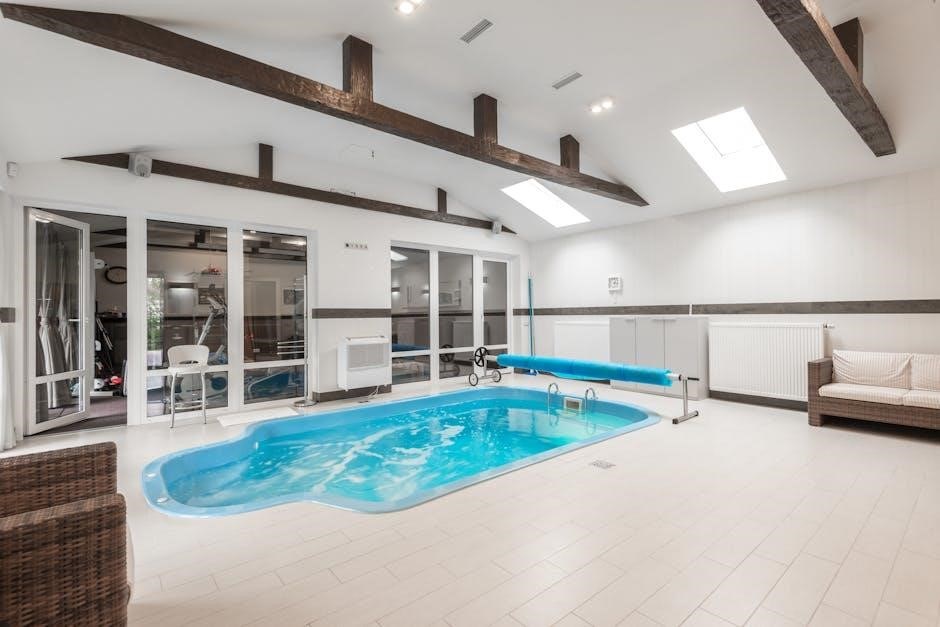
Recent online discussions (from 2015-2026‚ unrelated to pool chemistry) highlight the importance of consistent monitoring – similar to checking car oil levels․ Low salt levels reduce chlorine output‚ while excessively high levels can damage the salt cell․ Adjust salt additions gradually‚ following the manufacturer’s guidelines‚ and always allow sufficient circulation after adding salt․
Salt Cell Inspection and Cleaning Frequency
Regular inspection of the salt cell is vital for maintaining efficient operation․ Examine the cell monthly for scale buildup‚ which appears as a white‚ chalky residue․ The frequency of cleaning depends on water hardness and system usage; harder water necessitates more frequent attention․
Cleaning typically involves soaking the cell in a diluted muriatic acid solution (follow manufacturer’s instructions carefully!)․ Online discussions (spanning 2015-2026‚ unrelated to pool maintenance) emphasize the importance of preventative care – akin to regularly cleaning car parts․ A clean cell maximizes chlorine production and extends its lifespan․ Avoid abrasive cleaners that could damage the cell plates․
Water Chemistry Monitoring Guidelines
Consistent water chemistry monitoring is crucial for optimal saltwater system performance․ Test your pool water at least weekly for pH‚ alkalinity‚ calcium hardness‚ and stabilizer (cyanuric acid) levels․ Maintaining proper pH (7․2-7․8) prevents scale formation and corrosion․ Alkalinity should be between 80-120 ppm for stable pH․
Calcium hardness (200-400 ppm) protects the pool surface and salt cell․ Stabilizer protects chlorine from sunlight degradation․ While unrelated online discussions (2015-2026) mention various consumer goods‚ the principle of regular checks applies here․ Imbalanced water can damage the system and reduce its effectiveness‚ necessitating more frequent salt cell cleaning․
Safety Precautions When Using Intex Saltwater Systems
Prioritize safety when operating your Intex saltwater system․ Always disconnect power before servicing any components․ Ensure proper grounding to prevent electrical shock – a critical consideration‚ mirroring safety concerns highlighted in unrelated online discussions from 2015-2026 regarding various products․
Handle salt and pool chemicals with care‚ wearing appropriate protective gear like gloves and eye protection․ Never mix different chemicals․ Keep the control panel dry and protected from the elements․ Supervise children around the pool and system components․ Regularly inspect cords and connections for damage․ Adhering to these precautions ensures a safe and enjoyable swimming experience․
Electrical Safety Guidelines
Strict adherence to electrical safety is paramount when installing and operating your Intex saltwater system․ Always ensure the system is properly grounded‚ referencing general safety concerns noted in online discussions from 2015-2026 about product usage․ Never use extension cords; a dedicated circuit is recommended․
Disconnect power before performing any maintenance or inspection․ Avoid operating the system with wet hands or in damp conditions․ Regularly inspect all electrical connections for corrosion or damage․ If you notice any issues‚ immediately disconnect power and consult a qualified electrician․ Compliance with these guidelines minimizes the risk of electrical hazards and ensures safe operation․
Handling Salt and Chemicals Safely
Prioritize safety when handling pool salt and any necessary water chemistry balancing chemicals․ Always wear appropriate protective gear‚ including gloves and eye protection‚ to prevent irritation or injury․ Store chemicals in a cool‚ dry‚ well-ventilated area‚ away from children and pets․
Never mix different chemicals together‚ as this can create hazardous reactions․ Carefully follow the manufacturer’s instructions for dosage and application․ Avoid inhaling chemical fumes․ In case of skin or eye contact‚ rinse thoroughly with water and seek medical attention if needed․ Responsible handling ensures a safe and healthy pool environment‚ mirroring general safety awareness noted in online discussions from 2015-2026․
Proper System Grounding Procedures
Electrical safety is paramount when installing and operating an Intex saltwater system․ Ensure the system is properly grounded according to local electrical codes; A dedicated grounding wire connected to a grounded electrical outlet is crucial to prevent electrical shock․
Never use extension cords‚ as they can compromise grounding effectiveness․ Regularly inspect the grounding connection for corrosion or damage․ If unsure about grounding procedures‚ consult a qualified electrician․ Proper grounding safeguards against electrical hazards‚ aligning with general safety precautions․ Online discussions from 2015-2026‚ while focused on other topics‚ implicitly emphasize the importance of safety when dealing with electrical equipment․