Overview of Diesel 911 Winter Rescue Formula

Diesel 911 Winter Rescue Formula is an 80‑oz additive that liquefies gelled diesel and de‑ices frozen fuel filters‚ restoring flow to engines. It does not prevent gelling; use the Cetane Boost supplement for prevention. Safe for all diesel engines.Add 1 oz per 10 gal of diesel to ensure proper flow quicklydaily.
Product Composition and Key Ingredients
The Diesel 911 Winter Rescue Formula is formulated with a proprietary blend of solvent‑based additives designed to penetrate and break down the wax crystals that form in diesel fuel when temperatures drop below the gel point. The core composition includes a high‑viscosity hydrocarbon solvent that lowers the freezing point of the fuel‚ a surfactant that improves wetting of filter media‚ and a small amount of a cetane‑enhancing agent to aid combustion once the fuel is re‑liquefied. The solvent is typically a refined petroleum distillate with a boiling range that allows it to remain liquid at sub‑freezing temperatures while still evaporating quickly during engine operation. The surfactant is a non‑ionic compound that reduces surface tension‚ enabling the additive to spread evenly through the fuel system and prevent re‑gelation in the filters. The cetane booster is a low‑molecular‑weight cetane number enhancer that helps maintain engine performance after the additive has restored flow. Together‚ these components work synergistically to dissolve waxy deposits‚ restore fuel viscosity to normal levels‚ and keep the fuel system clear of blockages during cold starts. The product is packaged in an 80‑oz bottle and fits all diesel engines‚ including light‑vehicle and heavy‑truck models. It is safe to use in conjunction with other fuel additives‚ but it should not be used as a long‑term preventive measure; for that purpose‚ a dedicated anti‑gel supplement is recommended. The additive is designed for emergency use when fuel has already gelled‚ helping quickly start engines in cold weather.
Primary Function: Relinquishing Gelled Fuel
Diesel 911 Winter Rescue Formula is engineered to combat diesel fuel gelation that occurs when temperatures drop below the fuel’s gel point. Wax crystals form and grow‚ raising viscosity so fuel can’t flow through narrow fuel lines and filters. The additive’s primary function is to dissolve these waxy deposits and restore the fuel to a liquid state‚ re‑establishing normal flow to the engine. By penetrating the gelled fuel‚ the solvent component breaks down the crystalline structure‚ reducing viscosity to near‑normal levels. The surfactant component improves wetting of filter media‚ allowing remaining wax particles to be carried away with the fuel stream. The result is a clean‚ unblocked fuel system capable of delivering fuel to the combustion chamber. Diesel 911 also de‑ices frozen fuel filters; ice saturation can block fuel flow to injectors. The additive’s low‑temperature solvent properties melt ice within the filter‚ freeing the media and allowing fuel to pass. This dual action—re‑liquefying fuel and de‑icing filters—makes Diesel 911 an essential emergency tool for vehicles that have already suffered from cold‑induced fuel blockages. The product is designed for immediate use; add it directly to the fuel tank or a pre‑filled fuel filter‚ following the manufacturer’s dosage instructions. Once introduced‚ start the engine promptly to circulate fuel and fully dissolve the gel‚ ensuring the vehicle can be driven safely after a cold start without stalling or damaging the fuel system. The additive is compatible with all diesel engines. It can be used with other additives but is not a long‑term preventive. Use 1 oz per 10 gal of diesel for optimal results. The additive before engine starts.
Common Causes of Diesel Gelling in Cold Weather
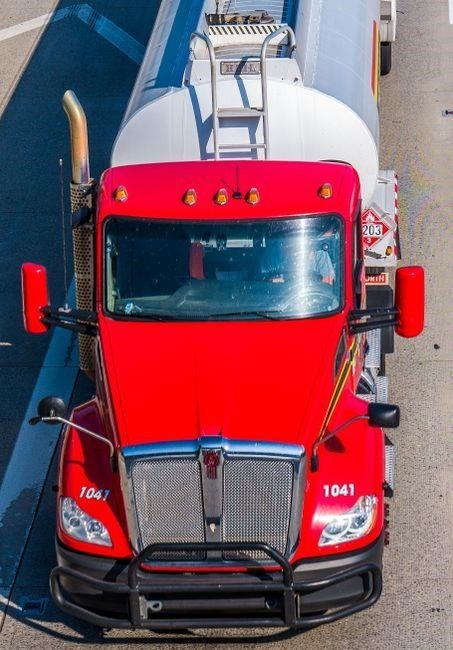
Diesel gelling occurs when temperatures fall below the fuel’s gel point‚ typically under 32°F. Cold weather promotes wax crystal growth‚ thickening fuel. Poor fuel quality‚ old diesel‚ and lack of additives also contribute‚ causing blockages in lines and filters. Also‚ old diesel can thicken and clog filters.!!
Temperature Thresholds for Gelation
Diesel fuel begins to gel when temperatures fall below its specific gel point‚ which depends on fuel composition and additives. Commercial diesel blends typically gel between 32 °F (0 °C) and 40 °F (4 °C). In colder climates‚ the gel point can rise; high‑cetane fuels may gel up to 45 °F (7 °C). Winter‑grade diesel with anti‑gel agents stays liquid below 20 °F (–6 °C). Gelation is temperature‑dependent: a 10 °F drop can double the time for crystals to coalesce‚ while a 20 °F decline can block fuel lines in minutes. Monitoring fuel temperature relative to the gel point is essential; a thermometer can help anticipate blockages. If fuel approaches the gel point‚ adding Diesel 911 lowers the effective gel point by dissolving wax crystals; However‚ the additive works best when fuel remains above its minimum operating temperature‚ typically around 30 °F (–1 °C). Maintaining fuel above the gel point by at least 10 °F ensures reliable starting. For biodiesel blends (B20) the gel point is about 45 °F (7 °C)‚ while low‑sulfur diesel gels near 35 °F (1 °C). Winter‑grade diesel (WGD) stays liquid down to –10 °F (–23 °C). In regions dipping below –20 °F (–29 °C)‚ keep a reserve of lower‑gel fuel or pre‑heat the tank. Installing fuel‑line or block heaters keeps fuel above the gel threshold during idling. Inspect filters for wax buildup and replace before blockage. By keeping fuel above the gel point and using additives only when needed‚ operators can avoid costly downtime from frozen fuel systems. quickly keeping fuel temperature at least 15 °F above the gel point to avoid sudden viscosity spikes!! Pre‑heating tanks in extreme cold is advised starting!
Impact on Fuel Filters and Fuel Lines
When diesel thins into a wax‑laden gel‚ the crystalline structures grow and cling to the inner walls of fuel lines and filters. The result is a progressive blockage that can reduce flow by 70 % within 30 minutes of exposure to sub‑gel temperatures. Filters become clogged so quickly that a single 0.5‑mm pore filter can fail in less than an hour‚ forcing the engine to stall. Even high‑flow filters—rated at 200 l/h—lose 90 % of their capacity once the fuel’s viscosity rises above 30 cSt. The wax crystals also act as abrasives‚ scratching the metal of the lines and creating micro‑cracks that later allow leaks. In heavy‑duty trucks‚ the cumulative effect can lead to a 15 % drop in fuel pressure‚ triggering the engine control unit’s low‑pressure fault and cutting power. Diesel 911’s solvent action dissolves the wax‚ restoring the fuel’s original viscosity and clearing the blockage. By adding 1 oz of Diesel 911 per 10 gal of diesel‚ the gel point is lowered by up to 10 °F‚ giving the filters and lines a critical margin to operate. If the fuel is already frozen‚ a 50/50 mix of Diesel 911 and diesel in the filter housing can melt the crystals in under 10 minutes‚ preventing a catastrophic failure. Regular inspection of the filter’s visual condition—looking for a dull‚ waxy film—helps anticipate blockage before it reaches the engine. In summary‚ gelled diesel can choke filters‚ damage lines‚ and trigger engine shutdowns; Diesel 911 mitigates these risks by restoring flow and protecting the fuel system’s integrity. Engine operators should schedule quarterly filter checks to ensure longevity everyyear!

Application Procedures for Diesel 911
Before applying Diesel 911‚ read the safety data sheet. Measure 1 oz per 10 gal of diesel‚ mix well‚ and pour into the tank. Start engine and run for 5 minutes to circulate the additive. For frozen filters‚ remove the filter‚ add a 50/50 mix of Diesel 911 and diesel‚ restart engine. Repeat filter remains clogged.
Preparation and Safety Precautions
Before using Diesel 911 Winter Rescue Formula‚ gather the following items: a calibrated measuring cup or syringe‚ a clean bucket‚ a protective glove set‚ safety goggles‚ and a well‑ventilated area or outdoors. The additive is chemically stable but can irritate skin and eyes; the product’s SDS recommends wearing gloves and eye protection during handling. Ensure the engine is off and the vehicle is parked on a level surface with the parking brake engaged. If the vehicle has a fuel cap that is not vented‚ open it slightly to allow air circulation and reduce pressure buildup when the additive is added.
Step 1: Verify the fuel tank capacity and calculate the required amount of Diesel 911. The manufacturer recommends 1 oz per 10 gal of diesel. For a 15‑gal tank‚ mix 1.5 oz. Measure the additive carefully; excess can cause excessive foaming. Step 2: Pour the additive into the bucket‚ then add diesel and stir gently with a clean stick or stir rod. Avoid splashing; any aerosolized droplets may be inhaled. Step 3: Transfer the mixture back into the fuel tank using a funnel. Keep the funnel in place until the transfer is complete to prevent spills.
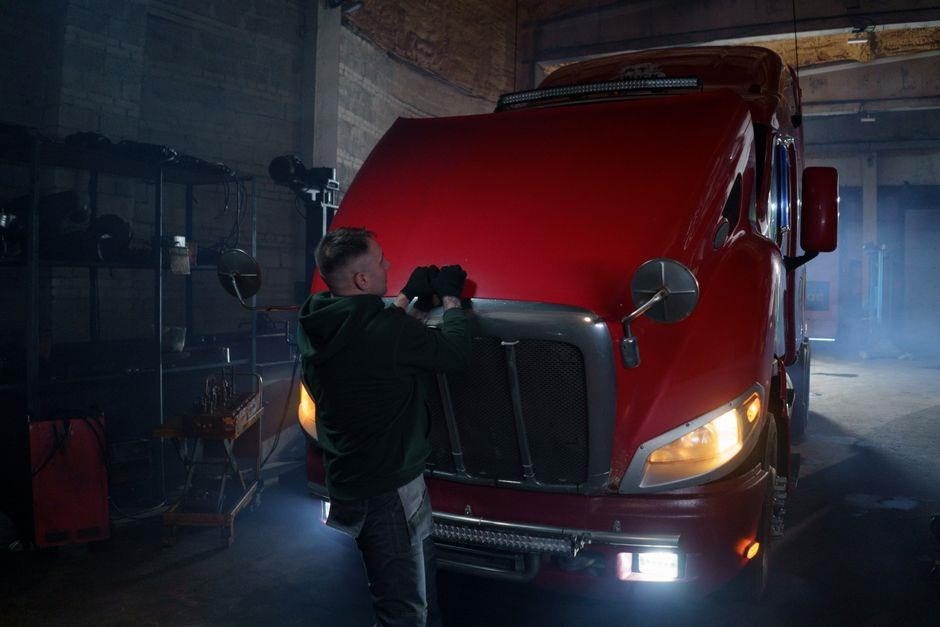
Safety notes: Do not operate the vehicle until the additive has fully mixed and circulated. If you notice a strong odor or any irritation‚ ventilate the area and wash the affected skin with soap and water. Dispose of any leftover additive according to local hazardous waste guidelines. Store the product in a cool‚ dry place away from direct sunlight and out of reach of children and pets. Follow the manufacturer’s instructions for any additional steps specific to your engine type.
Step-by-Step Mixing Instructions
Follow these precise steps to ensure the Diesel 911 Winter Rescue Formula is mixed correctly and safely. The procedure below is based on manufacturer recommendations and common practice among diesel users.
- Calculate the required additive amount; For every 10 gal of diesel‚ add 1 oz of Diesel 911. Use a calibrated measuring cup or syringe to avoid over‑ or under‑dosing;
- Prepare a clean mixing container. A 1‑gal bucket or a dedicated mixing jug works best. Ensure the container is free of oil‚ dirt‚ and previous additive residue.
- Pour the additive into the container. Slowly add the measured amount of Diesel 911. Avoid splashing; any aerosolized droplets should be avoided.
- Fill the container with diesel. Add the diesel up to the 10‑gal mark (or the tank’s capacity if smaller). Use a clean funnel to keep the mixture contained.
- Stir gently. Use a clean stir stick or a plastic rod. Mix for 30 seconds‚ ensuring the additive is fully dispersed. Do not vigorously shake‚ as this can create foam.
- Transfer the mixture to the fuel tank. Use a funnel and pour slowly‚ allowing the mixture to settle. Keep the funnel in place until the transfer is complete.
- Close the fuel cap securely. Tighten the cap to prevent leaks and allow the mixture to circulate for at least 10 minutes before starting the engine.
- Start the engine. If the engine starts smoothly‚ the mixture has been effective. If not‚ repeat the procedure or consult a professional.
Always wear protective gloves and eyewear during the process‚ and work in a well‑ventilated area. Follow local regulations for the disposal of leftover additive and any waste liquids.
The mixture should be used within 24 hours of preparation to maintain efficacy. Store any unused additive in its original container‚ tightly sealed‚ and keep it in a cool‚ dry place. Never expose the mixture to direct flame or high heat‚ as it may ignite. Always check the fuel filter for clogs before adding the additive‚ as a blocked filter can prevent proper circulation.
When diesel fuel has frozen inside a filter‚ the engine will fail to start or run poorly. The Diesel 911 Winter Rescue Formula can be used to melt ice and restore flow. Follow these steps to de‑ice a fuel filter safely.
- Remove the filter. Disconnect the fuel lines and allow any pressure to release. Use a wrench to unscrew the filter housing‚ then lift the filter out carefully.
- Inspect for ice. Look for visible ice or a layer. If the filter is frozen‚ proceed to the next step.
- Prepare a 50/50 mix. In a clean container‚ combine equal parts Diesel 911 and fresh diesel. For a standard 1‑gal filter‚ use 4 oz of Diesel 911 and 4 oz of diesel.
- Apply the mixture. Pour the mixture directly onto the filter‚ ensuring it saturates the entire surface. Let it sit for 5 minutes to allow the additive to dissolve ice.
- Reinstall the filter. Slide the filter back into its housing‚ tighten the clamps‚ and reconnect the fuel lines. Ensure all connections are secure to prevent leaks.
- Prime the system. Run an amount of diesel through the filter by turning the engine on. This helps push any ice out of the line.
- Check for flow. Observe the fuel pressure gauge or listen for flow. If the filter still feels‚ repeat the mixture application or replace the filter.
Always wear gloves and eye protection. Dispose of any leftover mixture properly‚ and keep the area during the process in a safe environment Follow all steps now.

Vehicle‑Specific Guidelines
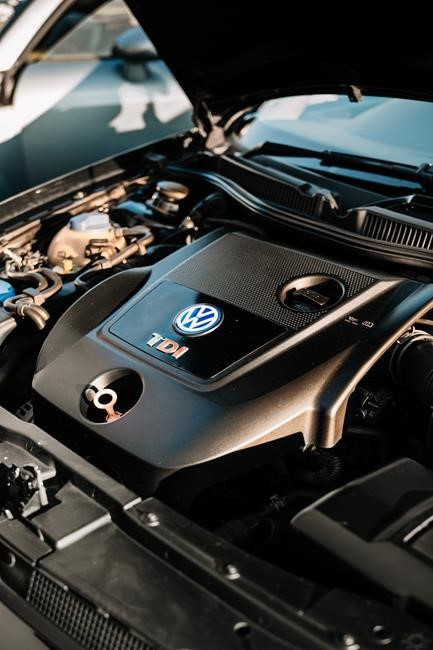
Diesel 911 is safe for all diesel engines. For TDI engines‚ add 1 oz per 10 gal. For heavy‑duty trucks‚ use 2 oz per 10 gal. Follow manufacturer’s service manual. Always check fuel filter and glow plugs before use. Keep product away from heat sources. Add 1 oz per 10 gal for small engines 2 oz per 10 gal for heavy duty.
TDI Engines (e.g.‚ Volkswagen Golf 2011)
For Volkswagen Golf 2011 TDI engines‚ diesel gelling below 32°F can clog fuel lines and filters‚ preventing starts. If the vehicle fails to start after cold exposure‚ first inspect the fuel filter for blockages. A clogged filter often indicates gelled fuel that has solidified. Replace or clean the filter before proceeding.
Once the filter is clear‚ add Diesel 911 Winter Rescue Formula to the fuel tank. The recommended dosage for a 10‑gal tank is 1 oz of Diesel 911 per 10 gal of diesel‚ which helps liquefy any remaining gelled fuel and de‑ice frozen filters. Mix thoroughly by running the engine for a few minutes after adding the additive.
Additionally‚ inspect glow plugs for proper operation. Glow plugs generate heat to aid cold starts; if they are weak or damaged‚ the engine may still struggle to start even after de‑icing. Replace any faulty glow plugs and ensure the engine’s compression is within specifications.
After adding Diesel 911 and ensuring glow plugs are functional‚ attempt a start. If the engine still does not start‚ repeat the procedure or consult a professional. For future prevention‚ consider using the Cetane Boost supplement to keep fuel from gelling during winter months.
Store Diesel 911 in a cool‚ dry place away from direct sunlight. Keep the container tightly sealed to prevent evaporation. When using the additive‚ ensure the fuel tank is at least half full to allow proper mixing. After treatment‚ run the engine for 30 minutes to circulate the additive throughout the fuel system. Dispose leftover solution responsibly. Follow safety guidelines‚ all today
Heavy‑Duty Trucks and Industrial Engines
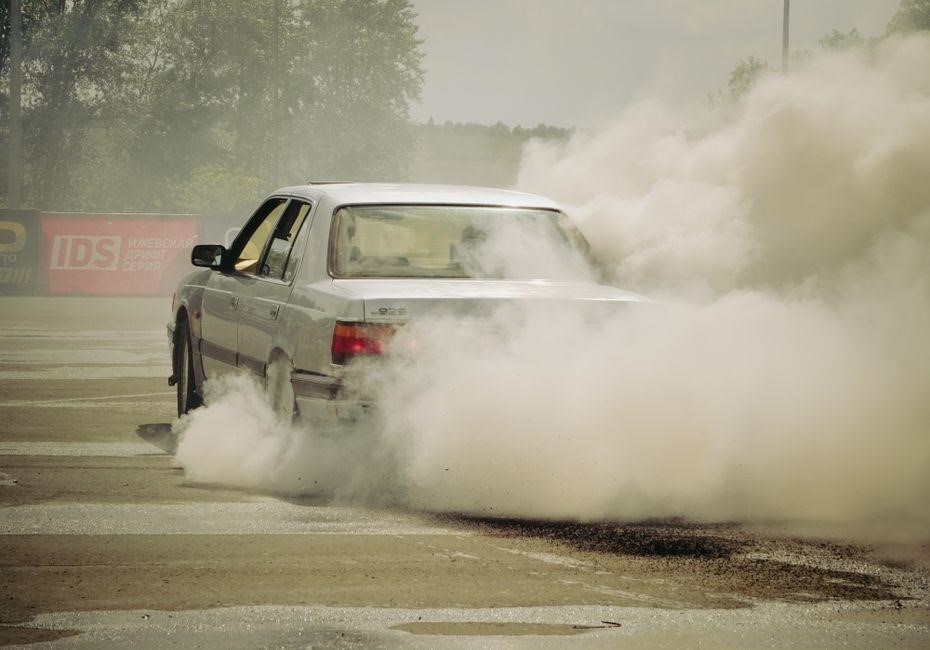
Heavy‑duty trucks and industrial engines often operate in extreme cold‚ making diesel gelling a critical issue that can halt production lines and endanger safety. Diesel 911 Winter Rescue Formula is specifically formulated to liquefy gelled fuel and de‑ice frozen fuel filters in large‑capacity systems. The additive works by penetrating the gelled mass‚ lowering the viscosity‚ and restoring flow to the fuel rail and injectors. For trucks with 12‑ to 20‑gal tanks‚ the recommended dosage is 2 oz of Diesel 911 per 10 gal of diesel. This ratio ensures sufficient penetration of the additive throughout the entire fuel volume‚ including the filter housing and high‑pressure lines.
Before adding the additive‚ drain the fuel filter and inspect it for blockages. A clogged filter is a clear sign of gelled fuel; replace or clean it before proceeding. Once the filter is cleared‚ add Diesel 911 to the tank‚ then fill with diesel to the full mark. Secure the cap and shake the tank gently to mix. Start the engine and let it idle for 15–20 minutes to allow the additive to circulate fully. If the engine still struggles‚ repeat the process or consult a diesel specialist.
Industrial operators should also monitor the fuel temperature using a thermometer. If the fuel temperature remains below 32°F for extended periods‚ consider installing a fuel heater or using a fuel additive like Cetane Boost to prevent future gelling. Always store Diesel 911 in a sealed container in a cool‚ dry area. When disposing of leftover solution‚ follow local hazardous waste regulations. Proper use of Diesel 911 can restore engine operation‚ reduce downtime‚ and protect costly equipment during winter months.
When operating in extreme cold‚ it is also advisable to use a fuel filter with a larger capacity and a higher flow rate to accommodate the increased viscosity of gelled diesel. Some operators install a pre‑heater that circulates warm diesel through the filter housing‚ further reducing the risk of blockages. After treatment‚ perform a fuel system diagnostic to ensure there are no residual pressure drops or leaks. Document the additive usage in maintenance logs to track effectiveness over time and adjust dosage if necessary.
Follow all safety guidelines and wear protective gloves and eyewear when handling Diesel 911.
Keep the additive away from children and pets.