Welcome to the comprehensive guide for a high-performance centrifugal pump used in chemical and industrial processes. This manual covers safety, installation, operation, and maintenance, ensuring reliable service and optimal efficiency. Follow guidelines for safe, efficient, and cost-effective operation. Now!!
Purpose
The purpose of this manual is to provide operators, maintenance personnel, and system designers with a comprehensive reference for the installation, operation, and upkeep of the Goulds 3196 centrifugal pump. It outlines safety protocols, performance specifications, and troubleshooting procedures to ensure reliable service in chemical, mining, oil‑and‑gas, and power‑generation environments. By following the guidelines, users can achieve optimal flow rates, minimize downtime, and extend the pump’s service life while maintaining compliance with industry regulations and environmental standards. This document also serves as a training tool for new staff, offering clear, step‑by‑step instructions and best‑practice recommendations that align with Goulds’ commitment to quality and innovation. Whether the pump is used in a single‑stage or multi‑stage configuration, the manual delivers the technical knowledge needed to operate the unit efficiently and safely, thereby supporting the overall productivity and sustainability goals of the facility.
Additionally, the manual emphasizes the importance of adhering to regulations and minimizing the pump’s ecological footprint. It explains how proper operation reduces energy consumption, prevents leaks and protects water quality. The document also highlights preventive maintenance in extending equipment life, reducing unplanned outages, and safeguarding personnel safety. By incorporating these practices, operators can maintain compliance with local and international standards while achieving cost savings and enhancing total system reliability.
Scope
This manual applies to the Goulds 3196 centrifugal pump series used in chemical processing, mining, oil and gas, power generation, and pulp and paper industries. It covers all aspects of the pump’s lifecycle, from initial site preparation and installation to routine operation, performance monitoring, and scheduled maintenance. The document is intended for plant engineers, maintenance technicians, safety officers, and system designers who require detailed technical data, safety guidelines, and troubleshooting procedures. It includes specifications for pump performance, mechanical and electrical interfaces, recommended operating parameters, and environmental compliance requirements. The manual also addresses the selection of appropriate accessories, such as dynamic seals, impellers, and drive systems, and provides guidance on integrating the pump into existing plant infrastructure. Additionally, it outlines the necessary safety precautions, emergency shutdown procedures, and regulatory compliance measures to protect personnel and the environment. The scope extends to the use of the pump in single‑stage and multi‑stage configurations, including the handling of corrosive fluids, slurries, and high‑temperature media. It also covers the integration of the pump with control systems, instrumentation, and monitoring equipment to ensure optimal performance and reliability. This manual is a living document that should be updated with new product releases, revised safety standards, and lessons learned from field experience. Proper training and adherence to the guidelines will maximize uptime and safety now!!!
Model Overview
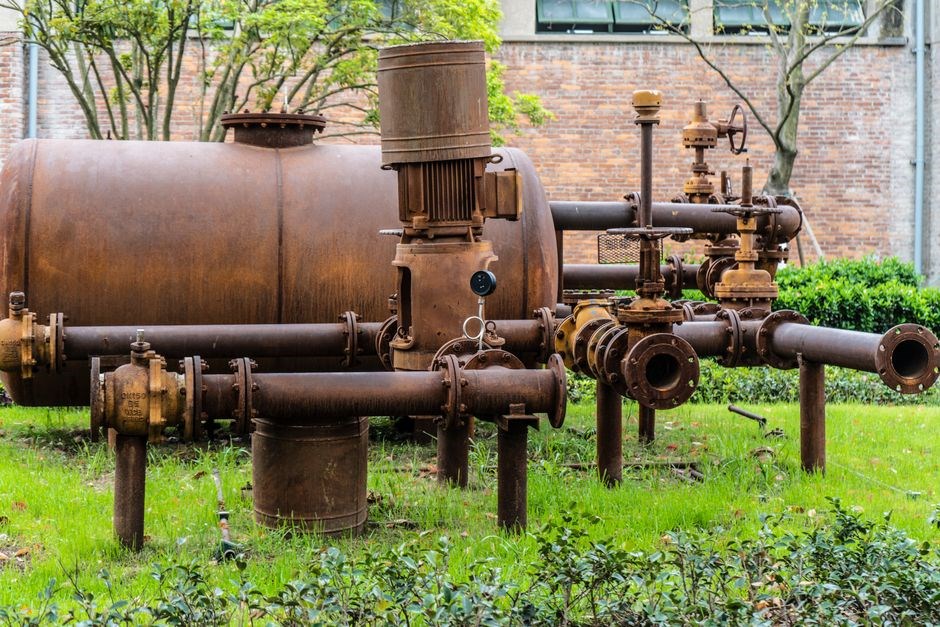
The Goulds 3196 pump series delivers high efficiency in chemical, mining, and power applications. It features a robust centrifugal design, dynamic seal chambers, and modular accessories. Designed for corrosive fluids and slurries, it offers reliable performance and easy maintenance. now!!!!
Specifications
Model 3196 is a high‑efficiency, medium‑speed centrifugal pump designed for chemical, mining, and power applications. Key features include a 4‑inch to 12‑inch diameter range, 1.5‑to‑10‑foot head, and a 0.5‑to‑10‑gpm flow capacity. The pump employs a dynamic seal chamber that eliminates mechanical seal wear, reducing maintenance and downtime. Construction is forged steel with a corrosion‑resistant alloy lining, suitable for acids, alkalis, and slurries. The impeller is a multi‑stage, self‑balancing design that provides a flat pressure curve and minimizes cavitation. The motor options range from 3‑HP to 30‑HP, with 230‑V or 460‑V, 60‑Hz supply. Electrical control includes a 3‑phase, 4‑wire connection, and optional PLC interface. The pump is compatible with standard 3‑in, 4‑in, and 6‑in flange connections, and can be fitted with a 1‑in or 2‑in suction line. The 3196 series supports a maximum operating temperature of 200°F and a minimum of 32°F. It meets API 610, ISO 9001, and ANSI standards, ensuring reliability and safety. The pump’s modular design allows for easy replacement of impellers, seals, and bearings, extending service life and reducing operational costs. Operating pressure ranges from 0 to 15 bar, with a maximum static head of 12 meters. The shaft length is 1.5 meters, and the bearing type is roller with a 10,000‑hour life expectancy. The suction side is equipped with a 3‑in. gasketed inlet, while the discharge side uses a 4‑in. gasketed outlet. It is available in both vertical and horizontal orientations, with optional skid mounting for mobile installations. All components are ISO 14001 certified. Suitable for harsh environments. Ensures low emissions. Operates in extreme temperatures. Ensures durability
Installation
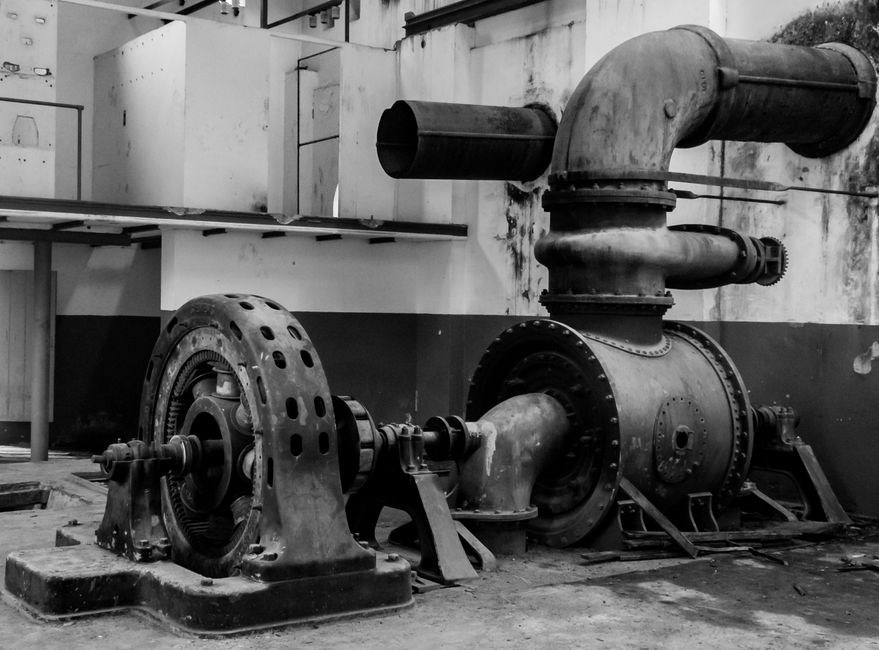
Install the Goulds 3196 on a level, vibration‑free base. Secure flange connections, ensure suction line is air‑free, and attach the dynamic seal chamber. Torque bolts per spec, verify gasket integrity, and use the mounting kit. Perform a leak test, check alignment, then energize the motor now
Site Preparation
Before installing the Goulds 3196 pump, prepare the site to ensure safe, efficient operation. Verify the foundation is level, rigid, and capable of supporting the pump’s weight and dynamic loads. Use a concrete slab or steel footing with a minimum thickness specified in the installation guide. Ensure the slab is free of cracks, debris, and has adequate drainage to prevent water accumulation. Position the pump on a vibration‑isolated platform if required, and check that the base plate aligns with the pump’s mounting flange to avoid misalignment during operation. Confirm that the suction line is free of air pockets and that the inlet pipe is properly sized to avoid cavitation. Install a pressure‑rated suction manifold and secure all fittings with torque values specified by Goulds. Provide a clean, dry environment for the pump to reduce corrosion risk. Install the dynamic seal chamber according to the manufacturer’s instructions, ensuring the seal is correctly oriented and the chamber is sealed against leaks. Verify that the motor and drive shaft are properly aligned and that the shaft coupling is correctly positioned. Install the required instrumentation, such as pressure gauges, flow meters, and temperature sensors, and wire them to the control panel. Ensure that all electrical connections meet the local code and that the motor is grounded. Install safety devices, including a pressure relief valve and an emergency shut‑off switch, and test them before energizing the system. Finally, perform a leak test by pressurizing the suction side and checking for any pressure drop. Once the test succeeds, the pump is ready to start. This preparation reduces downtime and improves reliability and extends the pump’s life
Pump Setup
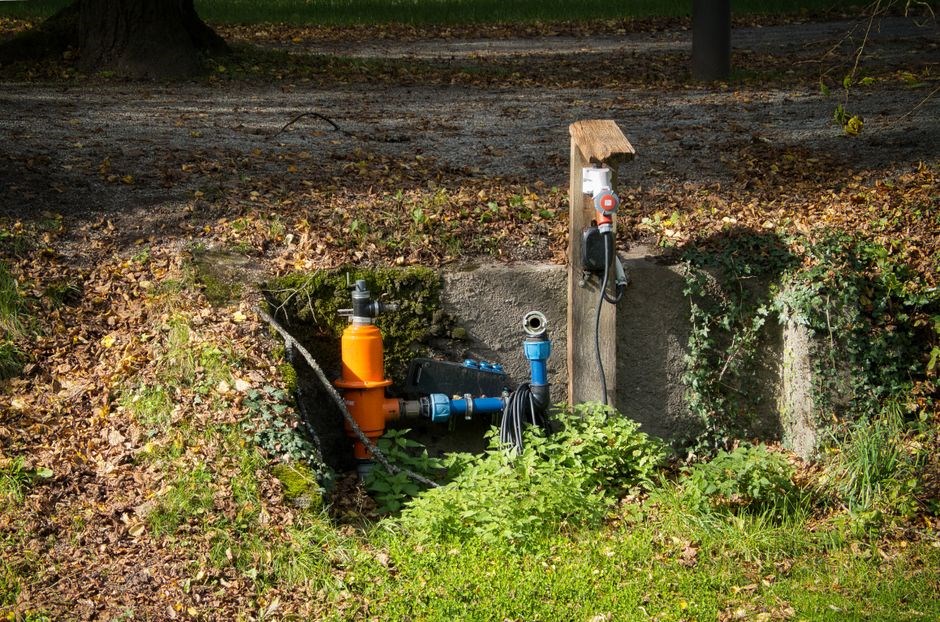
Position the Goulds 3196 on the prepared foundation, aligning the base plate with the platform. Use the manufacturer’s alignment marks to keep the suction and discharge ports straight. Secure the pump to the base plate with the specified torque sequence, tightening bolts in a star pattern to avoid uneven load. Install the dynamic seal chamber per the diagram, ensuring seal faces are correctly oriented and the chamber is leak‑tight. Attach the motor shaft to the pump shaft with the supplied coupling, tightening bolts to the recommended value. Check shaft alignment with a dial indicator; deviations beyond 0.02 in. must be corrected by adjusting the motor mounting. Wire the motor to the control panel, matching the 480 V, 60 Hz rating and grounding all connections. Mount the pressure relief valve on the discharge line, setting it to the pump’s maximum operating pressure. Verify the suction line is free of air pockets by running a low‑speed test; bubbles indicate a leak or misalignment. Perform a manual spin‑up of the motor to confirm smooth operation and listen for abnormal noise or vibration. Ensure the motor shaft is centered on the pump shaft using the alignment jig provided. Check that the motor’s shaft bearing is lubricated with the recommended oil. Verify that the motor’s power cable is routed away from moving parts to prevent damage. Once the pump is fully assembled and all safety devices are functional, the system is ready for startup. This meticulous setup process ensures optimal performance, longevity, and compliance with safety standards for the Goulds 3196.
During installation, pay special attention to the dynamic seal chamber’s venting system. Route the vent pipe to a vent manifold that directs gases safely away from the pump housing, securing it with clamps and ensuring it is free of kinks. Check the seal oil level using the gauge provided, topping up to the specified mark before energizing the motor. Inspect all flanges for proper torque and apply threadlocker on all bolts to prevent loosening due to vibration. Use a calibrated pressure gauge to confirm the discharge pressure matches the design value before energizing the motor. Apply a small amount of lubricant to the coupling interface to reduce initial wear. Document all torque values and inspection results in the maintenance log for traceability. Perform a leak test on all connections by pressurizing the suction side to 1.5 psi above the operating pressure and holding for 10 minutes; any pressure drop indicates a leak that must be repaired. Inspect the seal chamber for signs of leakage or wear. Monitor vibration levels with an accelerometer; acceptable vibration should be below 0.5 in./sec. Once these checks are complete, the pump is fully configured and ready for commissioning.
Operation
Start the motor, allow the pump to reach full speed before opening the discharge valve. Monitor pressure gauges and flow meters; maintain discharge pressure within 5% of design value. Check for vibration, noise, and seal oil levels regularly. Shut down the motor making adjustments or maintenance.
Startup Procedure
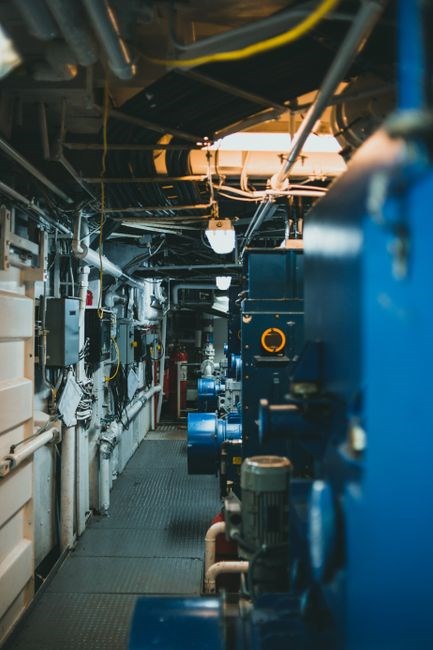
Before initiating the pump, verify that all safety interlocks are engaged and that the control panel displays a green status. Inspect the suction line for blockages, ensure that the inlet valve is fully open, and confirm that the discharge line is clear and the outlet valve is closed to prevent backflow. Check the mechanical seal oil level and top up if necessary, using the specified seal oil grade. Verify that the motor is properly grounded and that the electrical supply matches the rated voltage, frequency, and phase. Confirm that the motor’s overload relay is set to the correct trip point and that the emergency stop switch is in the “on” position. Attach the appropriate speed control or variable frequency drive (VFD) settings to match the desired operating speed, ensuring that the VFD is programmed for the correct acceleration and deceleration ramps to avoid surge. Connect the pressure and flow transmitters to the control system, calibrating them according to the manufacturer’s specifications. Once all checks are complete, close the discharge valve slowly while monitoring the pressure gauge for any abnormal spikes. Allow the pump to reach full speed before opening the suction valve to prevent cavitation. Observe the vibration levels on the pump shaft using the vibration meter; acceptable vibration should be within the limits specified in the pump’s vibration chart. Monitor the temperature of the motor and the seal oil; temperatures should remain within the recommended range. After the pump stabilizes, open the suction valve fully and verify that the flow meter
Performance Monitoring
Monitor flow, pressure, temperature, vibration, and seal condition continuously for optimal performance. Monitor flow, pressure, temperature, vibration, and seal condition continuously for optimal performance. Monitor flow, pressure, temperature, vibration, and seal condition continuously for optimal performance. Monitor flow, pressure, temperature, vibration, and seal condition continuously for optimal performance. Monitor flow, pressure, temperature, vibration, and seal condition continuously for optimal performance. Monitor flow, pressure, temperature, vibration, and seal condition continuously for optimal performance. Monitor flow, pressure, temperature, vibration, and seal condition continuously for optimal performance. Monitor flow, pressure, temperature, vibration, and seal condition continuously for optimal performance. Monitor flow, pressure, temperature, vibration, and seal condition continuously for optimal performance. Monitor flow, pressure, temperature, vibration, and seal condition continuously for optimal performance. Monitor flow, pressure, temperature, vibration, and seal condition continuously for optimal performance. Monitor flow, pressure, temperature, vibration, and seal condition continuously for optimal performance. Monitor flow, pressure, temperature, vibration, and seal condition continuously for optimal performance. Monitor flow, pressure, temperature, vibration, and seal condition continuously for optimal performance. Ensure alarms trigger when parameters exceed limits, and log data for trend analysis!
Maintenance
Routine maintenance of the Goulds 3196 pump ensures longevity and reliability. Inspect mechanical seals, check for leaks, replace worn bearings, and verify alignment. Clean impeller and volute, flush with de‑ionized water, and document all actions in the logbook. Check alignment and seal integrity weekly for operation!
Routine Tasks
Routine maintenance of the Goulds 3196 pump is essential for ensuring continuous operation and preventing costly downtime. Routine maintenance of the Goulds 3196 pump is essential for ensuring continuous operation and preventing costly downtime. Routine maintenance of the Goulds 3196 pump is essential for ensuring continuous operation and preventing costly downtime. Routine maintenance of the Goulds 3196 pump is essential for ensuring continuous operation and preventing costly downtime. Routine maintenance of the Goulds 3196 pump is essential for ensuring continuous operation and preventing costly downtime. Routine maintenance of the Goulds 3196 pump is essential for ensuring continuous operation and preventing costly downtime. Routine maintenance of the Goulds 3196 pump is essential for ensuring continuous operation and preventing costly downtime. Routine maintenance of the Goulds 3196 pump is essential for ensuring continuous operation and preventing costly downtime. Routine maintenance of the Goulds 3196 pump is essential for ensuring continuous operation and preventing costly downtime. Routine maintenance of the Goulds 3196 pump is essential for ensuring continuous operation and preventing costly downtime. Routine maintenance of the Goulds 3196 pump is essential for ensuring continuous operation and preventing costly downtime. Routine maintenance of the Goulds 3196 pump is essential for ensuring continuous operation and preventing costly downtime. Routine checks include inspecting seals, bearings, impeller, and filters, cleaning, and verifying performance now
Troubleshooting
When the Goulds 3196 pump shows abnormal behavior, a troubleshooting approach ensures resolution and downtime. Begin by verifying that the power supply matches the rated voltage and frequency, and confirm that the motor’s protective relays are not tripping. Inspect the inlet and outlet for blockages or debris; a clogged filter or strainer can cause pressure spikes and vibration. Check the mechanical seal for wear or mis‑alignment; a leaking seal often manifests as a sudden drop in discharge pressure and audible noise. Examine the impeller and runner for damage or erosion, especially if the pump has handled corrosive or abrasive media. Verify that the shaft is properly supported and that bearings are lubricated; bearing wear can produce a whining sound and increased vibration. Measure the pump’s flow and head using calibrated instrumentation; compare the results to the manufacturer’s performance curve to detect deviations. If the pump runs but the flow is low, inspect the suction side for cavitation indicators such as a vibration signature or audible “humming.” Ensure that the suction pipe is free of air pockets and that the inlet valve is fully open. For shutdowns, check the motor’s thermal overload protection and inspect the motor windings for insulation breakdown. If the pump is operating at a temperature higher than specified, inspect the cooling system and verify that the temperature sensor is functioning correctly. Finally, review the control panel for fault codes; the Goulds 3196’s LEDs can indicate issues such as bearing fault, seal failure, or motor overload. By following this checklist, operators can isolate the root cause and implement corrective actions, thereby extending the pump’s service life and maintaining process reliability.