Wine Glass Guide: A Comprehensive Overview (Updated 03/30/2026)
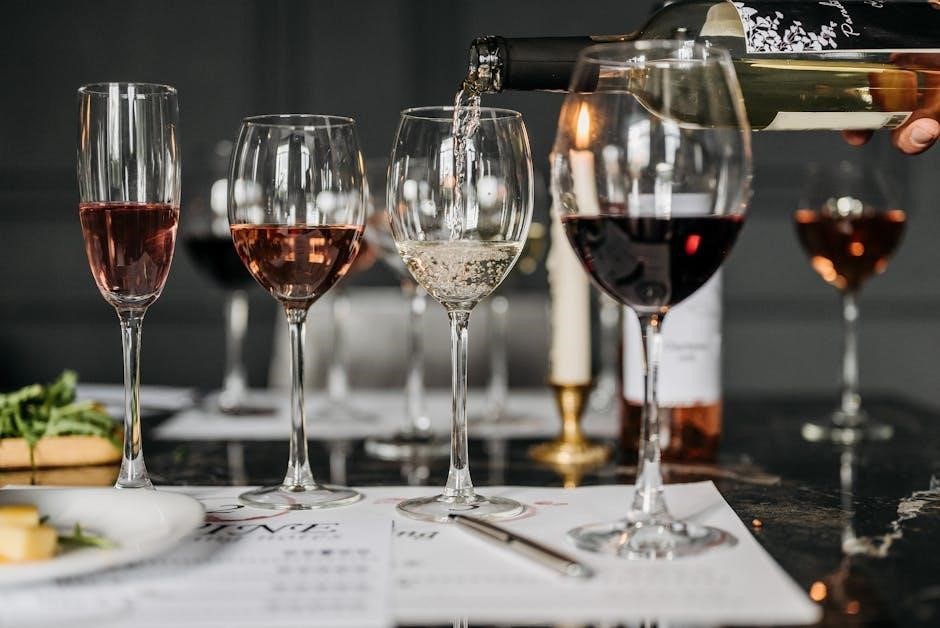
Discover the diverse world of wine glasses‚ learning how shape‚ size‚ and material impact your tasting experience‚ from robust reds to delicate whites and sparkling wines․
Navigating the world of wine glasses can seem daunting‚ with a surprising variety designed for different varietals․ Understanding these distinctions elevates the wine-drinking experience‚ impacting aroma‚ flavor‚ and overall enjoyment․ Generally‚ glasses are categorized by their intended wine – red‚ white‚ sparkling‚ or rosé – each with unique characteristics․
Red wine glasses typically feature larger bowls to encourage oxidation‚ softening tannins and releasing complex aromas․ White wine glasses are generally smaller‚ preserving cooler temperatures and highlighting acidity․ Sparkling wine glasses‚ like flutes and tulips‚ maintain effervescence․ Beyond these basics‚ specific shapes cater to individual grape varieties‚ such as Cabernet Sauvignon or Burgundy․ Choosing the right glass isn’t about snobbery; it’s about unlocking the full potential of the wine itself․
The Importance of Wine Glass Shape
The shape of a wine glass isn’t merely aesthetic; it profoundly influences the wine’s presentation and your perception of its qualities․ A glass’s bowl directs the wine to specific areas of your palate‚ highlighting certain flavors․ Wider bowls‚ common in red wine glasses‚ increase surface area‚ promoting aeration and softening tannins․
Conversely‚ narrower bowls in white wine glasses preserve cooler temperatures and focus delicate aromas․ The rim’s shape also matters‚ directing the flow of wine․ Furthermore‚ the glass’s taper concentrates aromas‚ enhancing the olfactory experience․ Ultimately‚ the correct shape unlocks a wine’s full aromatic and flavor profile‚ transforming a simple drink into a sensory journey․
Red Wine Glasses: A Detailed Look
Red wine glasses generally feature larger‚ rounder bowls than their white wine counterparts․ This expansive shape encourages oxidation‚ softening tannins and releasing complex aromas․ The larger surface area allows the wine to “breathe‚” enhancing its flavors․ Different red varietals benefit from specific glass shapes․
Cabernet Sauvignon and Bordeaux glasses boast tall bowls to deliver wine to the back of the mouth‚ while Burgundy glasses have wider bowls to capture delicate aromas․ A taller stem prevents warming the wine with your hand․ Choosing the right red wine glass elevates the tasting experience‚ showcasing the wine’s full potential․
Cabernet Sauvignon Glasses
Cabernet Sauvignon glasses are characterized by their tall and relatively narrow bowl shape․ This design directs the wine to the back of the mouth‚ minimizing contact with the bitter compounds found on the tongue․ The height allows for swirling without spillage‚ further aerating the wine and releasing its aromas․
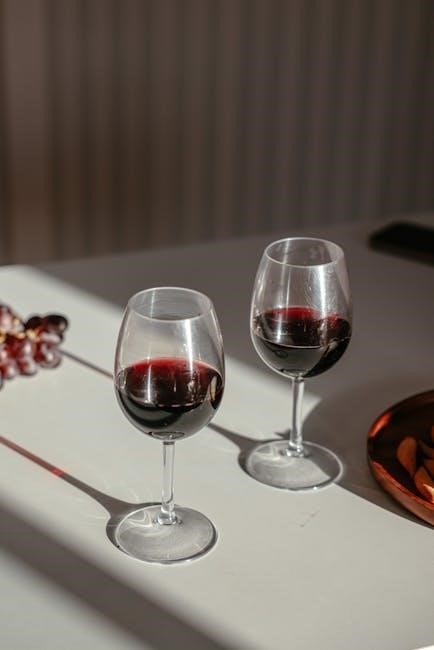
Often used as a universal red wine glass‚ the larger bowl provides ample surface area for oxidation‚ softening the tannins inherent in Cabernet Sauvignon․ A long stem ensures the wine remains at the optimal temperature․ These glasses enhance the bold flavors and complex structure of this iconic varietal‚ delivering a refined tasting experience․
Bordeaux Glasses
Bordeaux glasses feature a large‚ broad bowl that tapers slightly towards the top․ This shape is specifically designed to showcase the complex aromas and flavors of Bordeaux blends‚ typically composed of Cabernet Sauvignon and Merlot․ The expansive bowl encourages aeration‚ softening tannins and allowing the wine to “breathe‚” revealing its full potential․
The height of the glass directs the wine to the back of the mouth‚ emphasizing fruit-forward flavors while minimizing bitterness․ A long stem prevents heat transfer from the hand‚ maintaining the wine’s ideal temperature․ These glasses are ideal for older‚ more structured wines‚ enhancing their elegance and depth․
Burgundy Glasses
Burgundy glasses are distinguished by their exceptionally large‚ balloon-shaped bowl‚ significantly wider than Bordeaux glasses․ This unique design is tailored to the delicate aromas and higher acidity of Pinot Noir‚ the primary grape of Burgundy wines․ The broad surface area maximizes aeration‚ unlocking the wine’s nuanced floral and fruit notes․
The wide bowl also directs the wine to the tip of the tongue‚ highlighting its fruit-forward character and softening its acidity․ The substantial size allows for swirling‚ further releasing aromas․ A long stem ensures temperature control‚ crucial for enjoying Pinot Noir’s subtle complexities․ These glasses are essential for appreciating the full spectrum of Burgundy’s flavors․
White Wine Glasses: Understanding the Nuances
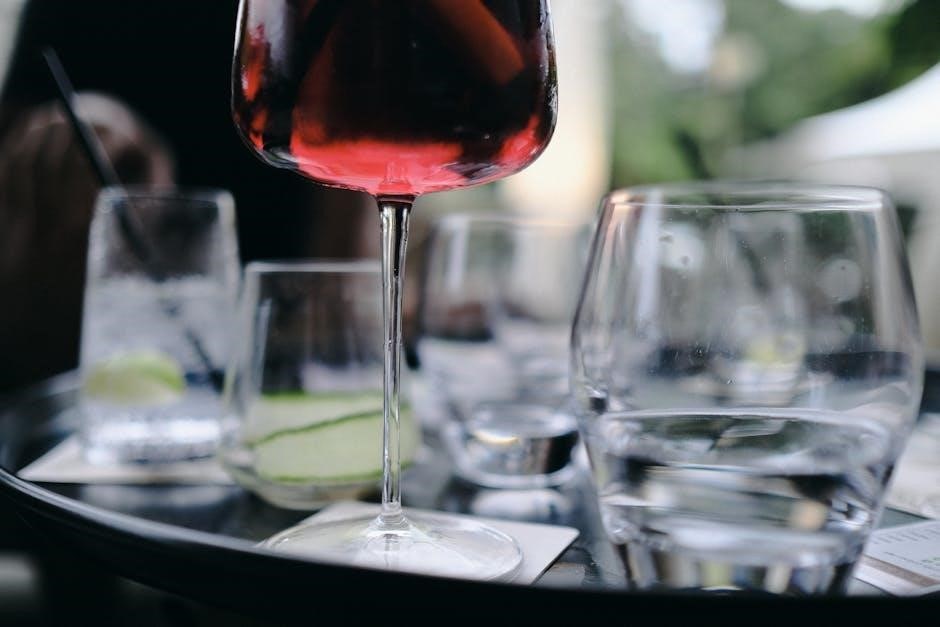
White wine glasses generally feature a smaller‚ narrower bowl compared to red wine glasses‚ designed to preserve cooler temperatures and delicate aromas․ This shape minimizes surface area‚ slowing oxidation and maintaining the wine’s crispness․ Different white varietals benefit from specific glass shapes‚ enhancing their unique characteristics․
The goal is to direct the wine to the center of the tongue‚ emphasizing acidity and fruit flavors․ Variations exist for lighter-bodied wines like Pinot Grigio and richer‚ oaked wines like Chardonnay․ Understanding these nuances allows for a more refined tasting experience‚ unlocking the full potential of each white wine․
Chardonnay Glasses
Chardonnay glasses typically exhibit a wider bowl than glasses designed for lighter-bodied whites‚ accommodating the wine’s fuller body and often‚ oak influence․ This broader shape encourages swirling‚ releasing complex aromas and allowing for greater aeration․ The wider opening also directs the wine towards the back of the mouth‚ highlighting its creamy texture and buttery notes․
Depending on the Chardonnay style – unoaked versus oaked – the glass shape can subtly differ․ More robust‚ oaked Chardonnays benefit from an even wider bowl‚ while leaner‚ unoaked versions can be enjoyed in a slightly narrower glass․ Ultimately‚ the goal is to showcase Chardonnay’s versatility and depth․
Sauvignon Blanc Glasses
Sauvignon Blanc glasses are generally taller and narrower than Chardonnay glasses‚ designed to emphasize the wine’s high acidity and aromatic intensity․ This shape helps to preserve the crisp‚ vibrant flavors and herbaceous aromas characteristic of Sauvignon Blanc‚ preventing them from dissipating too quickly․
The narrower opening directs the wine to the sides of the tongue‚ highlighting its zesty acidity and refreshing qualities․ A slight tulip shape is common‚ further concentrating the aromas․ These glasses are ideal for showcasing the distinctive grapefruit‚ passionfruit‚ and grassy notes often found in Sauvignon Blanc‚ enhancing the overall tasting experience․
Riesling Glasses
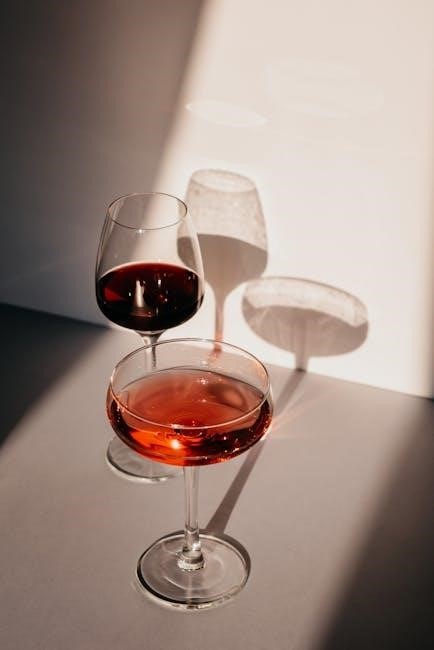
Riesling glasses often feature a U-shaped bowl‚ slightly taller and narrower than those used for Chardonnay‚ but with a more open mouth than Sauvignon Blanc glasses․ This unique shape is crucial for showcasing Riesling’s complex aromatic profile‚ ranging from floral and fruity to mineral and petrol notes․
The wider mouth allows for a broader presentation of aromas‚ while the tapered bowl helps to maintain a cool temperature‚ essential for appreciating Riesling’s delicate flavors․ This design balances the wine’s acidity with its residual sugar‚ highlighting both dry and sweet styles․ A Riesling glass truly elevates the tasting experience‚ revealing the wine’s multifaceted character․
Sparkling Wine Glasses: Celebrating Bubbles
Sparkling wine glasses are designed to enhance the effervescence and aromas of bubbly wines like Champagne‚ Prosecco‚ and Cava․ Two primary styles dominate: the flute and the tulip․ Flute glasses‚ with their tall‚ narrow shape‚ are iconic for preserving bubbles‚ creating a visually appealing stream․ However‚ they sometimes limit aroma development․
Tulip glasses offer a wider bowl that tapers towards the top‚ allowing for greater aromatic expression while still maintaining a good level of bubble retention․ This shape encourages a more nuanced tasting experience‚ showcasing the wine’s complexity․ Choosing the right glass elevates the celebratory experience of sparkling wine․
Flute Glasses
Flute glasses are instantly recognizable‚ characterized by their tall‚ slender shape and small opening․ Traditionally favored for Champagne‚ they’re designed to showcase the wine’s delicate bubbles‚ creating a visually stunning presentation․ The narrow bowl minimizes surface area‚ slowing down the dissipation of carbonation and preserving the wine’s fizz for a longer period․
However‚ this design can sometimes restrict the development of aromas‚ limiting the full sensory experience․ While excellent for celebratory toasts and maintaining effervescence‚ some connoisseurs prefer tulip glasses for a more complex aromatic profile․ Despite this‚ the flute remains a classic and popular choice for sparkling wine enjoyment․
Tulip Glasses
Tulip glasses‚ resembling an inverted tulip flower‚ are gaining popularity as a superior alternative to flutes for sparkling wine appreciation․ Their shape – a rounded bowl that tapers towards the mouth – offers a compelling balance between preserving bubbles and enhancing aromas․ The wider bowl allows for greater surface area‚ encouraging the release of complex scents․
The inward-curving rim concentrates those aromas‚ delivering a more nuanced olfactory experience with each sip․ While they don’t maintain carbonation quite as long as a flute‚ the improved aromatic profile is often considered a worthwhile trade-off․ Tulip glasses are versatile‚ also suitable for certain white wines․
Rosé Wine Glasses: A Delicate Approach
Rosé wines‚ often enjoyed for their refreshing character‚ benefit from a specialized glass shape․ Unlike the large bowls of robust red wine glasses‚ rosé glasses typically feature a slightly flared lip and a more U-shaped bowl․ This design emphasizes the wine’s fruit-forward aromas and delicate flavors‚ preventing them from being overwhelmed;
The slight taper helps to concentrate the subtle scents‚ while the flared rim directs the wine to the front of the palate‚ enhancing the tasting experience․ A shorter stem is common‚ contributing to a more casual and approachable feel‚ perfectly matching the wine’s convivial nature․
Universal Wine Glasses: The All-Rounder
For those seeking simplicity or limited storage space‚ universal wine glasses offer a versatile solution․ These glasses are designed to accommodate a wide range of wine varietals‚ functioning adequately for both red and white wines․ Typically‚ they feature a moderate bowl size – larger than a white wine glass but smaller than a full-bodied red wine glass – and a gentle taper․
While not ideal for showcasing the nuances of specific wines‚ a universal glass provides a satisfactory experience for everyday enjoyment․ They strike a balance between aroma concentration and palate delivery‚ making them a practical choice for casual wine drinkers and mixed-wine gatherings․
Stemmed vs․ Stemless Wine Glasses: Pros and Cons
The debate between stemmed and stemless wine glasses centers on tradition‚ practicality‚ and temperature control․ Stemmed glasses‚ the classic choice‚ prevent heat transfer from your hand to the wine‚ maintaining its optimal serving temperature․ The stem also allows for elegant swirling without warming the bowl․
Stemless glasses‚ however‚ offer a more modern aesthetic and are less prone to tipping or breakage․ They’re often favored for casual settings and outdoor use․ However‚ they can slightly warm the wine‚ potentially altering its flavor profile․ Ultimately‚ the choice depends on personal preference and the occasion․

Wine Glass Materials: Crystal vs․ Glass
Wine glasses are traditionally crafted from either glass or crystal‚ each offering distinct qualities․ Crystal‚ containing lead oxide‚ boasts exceptional clarity and brilliance‚ enhancing the wine’s visual appeal․ Its composition also allows for finer‚ more delicate glassblowing‚ resulting in thinner walls and a more refined mouthfeel․
However‚ lead-free crystal is increasingly popular due to health concerns․ Standard glass‚ while more affordable and durable‚ lacks the same luminosity and finesse as crystal․ The thickness of the glass impacts the wine’s temperature and aroma delivery․ Choosing between the two depends on budget‚ desired elegance‚ and personal priorities․
The Impact of Bowl Size on Wine Oxidation
A wine glass’s bowl size significantly influences oxidation‚ the process where wine interacts with oxygen․ Larger bowls‚ like those for Cabernet Sauvignon‚ expose more wine surface area to air‚ encouraging aeration and softening tannins․ This “breathing” can unlock complex aromas and flavors in bolder wines․
Conversely‚ smaller bowls‚ typical for delicate whites‚ minimize oxygen exposure‚ preserving their crisp acidity and subtle nuances․ Excessive oxidation can flatten a wine’s character‚ so matching bowl size to the varietal is crucial․ Understanding this relationship enhances the overall tasting experience‚ allowing the wine to reveal its full potential․
Wine Glass Height and Aroma Concentration
Wine glass height plays a vital role in concentrating aromas․ Taller glasses‚ with their narrower openings‚ channel volatile compounds towards the nose‚ intensifying the olfactory experience․ This is particularly beneficial for complex wines where nuanced scents contribute significantly to the overall perception of flavor․
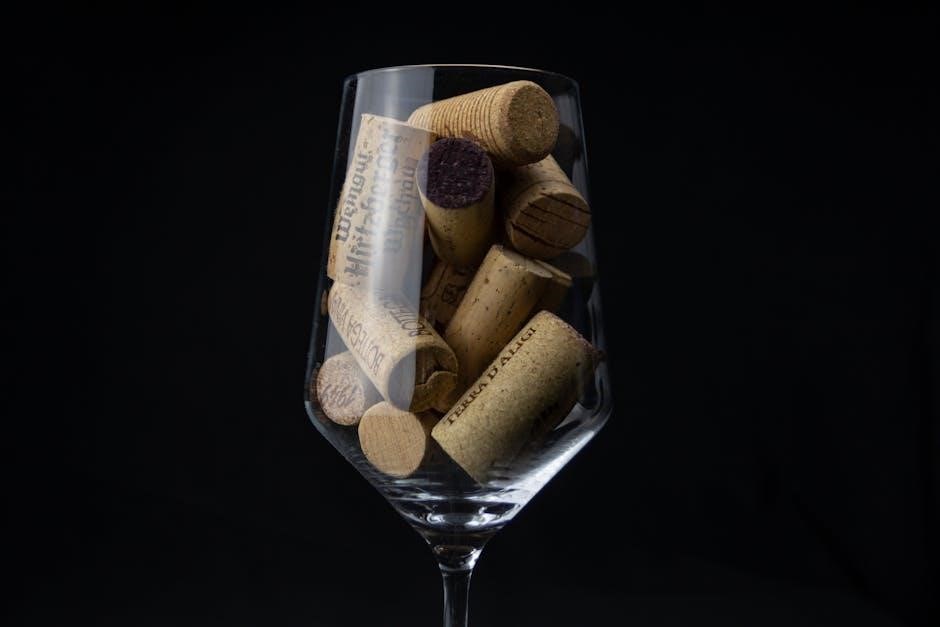
Shorter glasses offer a broader opening‚ allowing aromas to dissipate more quickly․ While suitable for simpler wines‚ they may not fully showcase the aromatic complexity of premium varietals․ The height‚ combined with the bowl shape‚ creates a pathway for aromas‚ directly impacting how we perceive and enjoy the wine’s bouquet․
How to Hold a Wine Glass Correctly
Properly holding a wine glass enhances appreciation․ Grip the stem‚ avoiding the bowl to maintain wine temperature – warmth alters the taste․ Pinch the stem between your thumb and fingers‚ ensuring a relaxed hold‚ not a tight clench․
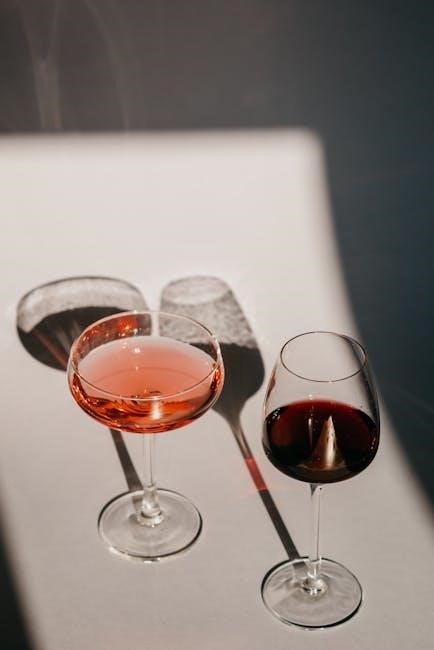
Tilting the glass slightly releases aromas‚ encouraging swirling (gently‚ to avoid spillage!)․ This aeration introduces oxygen‚ unlocking flavors․ Avoid covering the bowl with your hand‚ as this muffles the bouquet․ A correct grip demonstrates respect for the wine and optimizes the sensory experience‚ allowing full enjoyment of its characteristics․
Caring for Your Wine Glasses: Cleaning and Storage
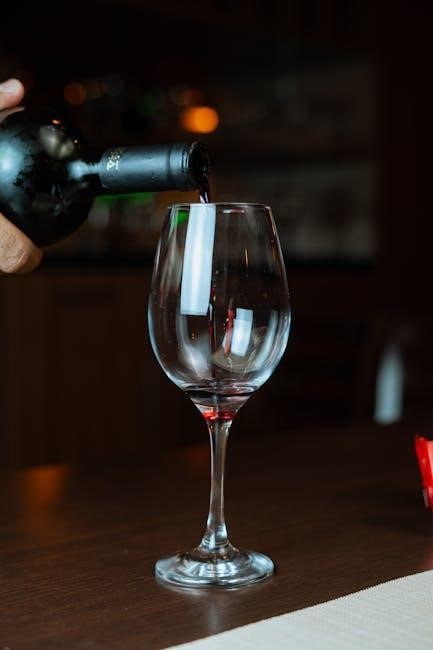
Preserving the quality of your wine glasses ensures optimal tasting experiences․ Hand washing is preferred; use warm water‚ a gentle detergent‚ and a microfiber cloth to avoid scratches․ Rinse thoroughly‚ removing all soap residue‚ as it impacts aroma and flavor․
Avoid abrasive cleaners or dishwashers‚ which can cloud the glass․ Dry immediately with a lint-free cloth to prevent water spots․ Store glasses upright‚ ideally in a dust-protected cabinet or on a dedicated shelf‚ preventing chipping or breakage․ Proper care extends the lifespan and maintains the clarity of your glassware․
Decoding Wine Glass Terminology
Understanding wine glass jargon enhances your appreciation and selection process․ “Bowl” refers to the cup holding the wine‚ impacting aroma concentration․ The “stem” allows holding without warming the wine‚ while the “foot” provides stability․ “Rim” influences wine flow onto the palate․
Terms like “tulip-shaped” describe the glass’s profile‚ affecting aeration․ “Universal” glasses suit multiple varietals․ Knowing these terms empowers informed choices when building a collection or discussing wine with enthusiasts․ Familiarizing yourself with this vocabulary unlocks a deeper understanding of the glassware’s purpose and design․
Choosing Wine Glasses for Different Varietals: A Quick Guide
Selecting the right glass elevates each wine’s characteristics․ Cabernet Sauvignon thrives in large-bowled glasses‚ encouraging oxidation․ Bordeaux glasses‚ similar in shape‚ suit its blends․ Burgundy glasses feature wider bowls for aromatic Pinot Noir․
Chardonnay benefits from wider openings‚ while Sauvignon Blanc prefers narrower shapes to preserve acidity․ Riesling glasses often have a slight taper․ Sparkling wines shine in flutes or tulip glasses‚ maintaining bubbles․ Ultimately‚ matching the glass to the varietal enhances aroma‚ flavor‚ and overall enjoyment․
Wine Glass Sets: Building Your Collection
Starting a wine glass collection doesn’t require immediate extravagance․ Begin with a versatile universal wine glass set for everyday enjoyment․ Gradually add varietal-specific glasses as your palate develops and wine preferences solidify․ Consider a set of Bordeaux and Burgundy glasses for red wine enthusiasts․
White wine drinkers might prioritize Chardonnay and Sauvignon Blanc glasses․ Don’t forget sparkling wine flutes for celebrations! Quality over quantity is key; invest in durable glasses․ Building a collection is a journey‚ reflecting your evolving appreciation for wine․
The Science Behind Red vs․ White Wine Glass Design
Red wine glasses feature larger bowls‚ maximizing surface area for oxidation – softening tannins and releasing complex aromas․ The wider opening directs wine to the back of the mouth‚ emphasizing fruit flavors․ White wine glasses‚ conversely‚ have smaller bowls‚ preserving cooler temperatures and delicate aromas․
Their narrower opening focuses aromas and delivers wine to the front palate‚ highlighting acidity․ This design minimizes oxidation‚ maintaining the wine’s crispness․ The shape isn’t merely aesthetic; it’s a scientifically-backed approach to enhance each wine’s unique characteristics‚ optimizing the tasting experience․
Wine Glass Charts and Resources
Numerous online resources offer comprehensive wine glass charts‚ aiding in selection for various varietals․ Total Wine & More provides a guide to different types‚ while Crate & Barrel details pairings․ Printable charts are available for tasting room staff‚ ensuring consistent service and informed recommendations․
Waterford offers an exploration of shapes and holding techniques․ The Tasting Alliance delves into the science behind red versus white glass design․ These resources simplify navigating the world of glassware‚ helping enthusiasts build collections and enhance their wine appreciation․